
IPTV can be a better choice than cable if you want flexible viewing across devices, convenient access to recorded and on-demand programmes, and a package that better matches your budget. The benefits depend on the provider, your internet connection, and the channels you actually watch.
The strongest reason to switch is practical: a suitable service can give you the television you need with lower equipment costs or fewer subscription commitments. IPTV does not automatically offer lower prices, better picture quality, or more reliable playback.
What is the difference between IPTV and cable?
IPTV stands for Internet Protocol Television. It delivers television through networks that use Internet Protocol. Traditional cable television distributes channels through a cable network, although modern cable providers also use IP delivery and streaming apps.
Technically, managed IPTV operates through a provider-controlled network designed to support television quality and reliability. Services that stream over the public internet are commonly called over-the-top, or OTT, services. Consumers often use “IPTV” more broadly to describe both. That distinction matters because their connection requirements and viewing restrictions can differ.
When choosing a replacement for cable, the service’s actual features matter more than its label.
What advantages can IPTV offer over cable?
The main advantages are flexible device access, potentially lower equipment costs, and subscription options that fit your viewing habits. However, several features associated with IPTV are also available through cable subscriptions.
| Factor | IPTV and internet TV | Cable television |
| Viewing devices | May support smart TVs, streaming devices, phones, tablets, and computers | Usually supports TV equipment, with apps available from some providers |
| Equipment | App-based services may work with devices you already own | Rental equipment may be required, although compatible apps can provide alternatives |
| Subscription terms | Some services offer monthly plans with cancellation or pause options | Terms vary, including plans with and without commitments |
| Recordings and on-demand content | Availability and limits depend on the package | Availability and limits also depend on the package |
| Connection requirements | Public-internet services depend on broadband and home-network performance | Traditional cable viewing generally does not depend on home Wi-Fi |
Cable subscribers may already have access to live channels, cloud recordings, and on-demand programmes through compatible television apps. Check your existing subscription before assuming that switching is necessary to get those features.
Can IPTV help you reduce your television bill?
IPTV can reduce your bill when its complete cost is lower than your current arrangement. Savings may come from avoiding recurring box rentals, choosing a smaller package, or dropping extras you rarely use.
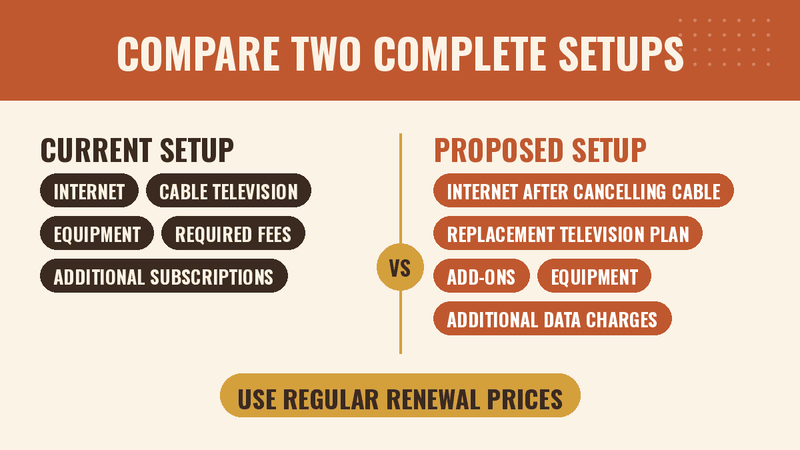
Compare the cost of two complete setups:
- Your current setup: Internet, cable television, equipment, required fees, and additional subscriptions.
- Your proposed setup: Internet after cancelling cable, the replacement television plan, add-ons, equipment, and any additional data charges.
Use regular renewal prices rather than introductory offers. Removing television from a bundle may change your internet price, which can reduce the expected savings.
A smaller package is useful only if it includes your essential programming. Paying separately to recover missing sports, movies, or channels can make the replacement more expensive.
Does IPTV give you more viewing flexibility?
App-based television can make it easier to watch on different screens without installing a separate provider box for each one. This is useful when household members watch in different rooms or prefer a phone or tablet.
Check device compatibility and simultaneous-stream limits separately. Being able to install an app on several devices does not necessarily mean everyone can watch at once.
Some services also support viewing away from home, but access can depend on location, household rules, and content rights. Local channels may change while travelling, and international access may be unavailable.
Subscription flexibility can be another benefit. Certain internet TV services allow customers to cancel or pause their memberships, which may suit seasonal viewing. These options are specific to the service and should be checked before subscribing.
Can IPTV make it easier to watch on your schedule?
IPTV and internet TV services can combine live channels with recordings and on-demand content, helping you watch programmes when convenient. Their usefulness depends on which features are included and how they work.
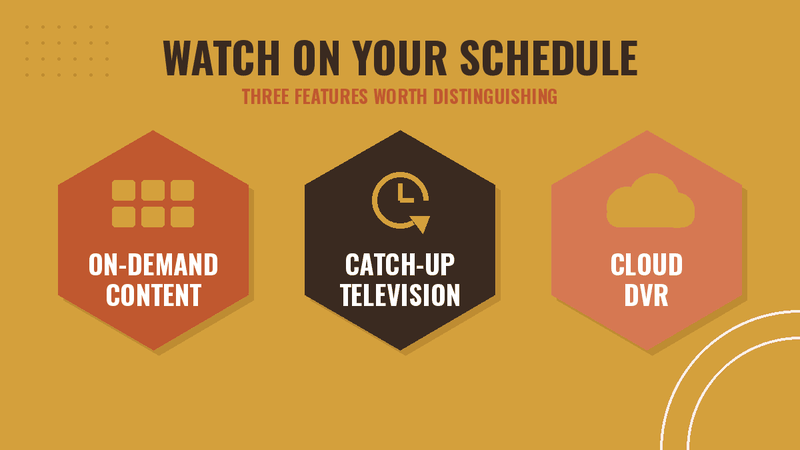
Three features are worth distinguishing:
- On-demand content: Programmes available from a catalogue.
- Catch-up television: Previously broadcast programmes available for a limited period.
- Cloud DVR: Recordings stored by the service for later playback.
A service may offer one feature without the others. Check recording retention, playback restrictions, and whether your preferred programmes are eligible. Cloud DVR can offer convenient recording and playback options, but those capabilities vary by provider.
Is IPTV picture quality better than cable?
IPTV can deliver good picture quality, but the delivery method alone does not determine how sharp or smooth a programme looks. The source video, compression, available resolution, playback device, and connection performance all affect the result.
A service offering 4K does not necessarily carry every channel or event in 4K. Higher-resolution content may require a particular plan and compatible equipment.
For public-internet streaming, congestion and Wi-Fi interference can interrupt playback. Live streams also involve a delay, and reducing that delay can leave less buffering protection against connection fluctuations.
Test the service during your normal viewing hours, especially with other household devices using the connection.
When might cable remain the better choice?
Cable may remain the better choice when its package includes essential channels at a competitive total price, your broadband connection struggles with streaming, or your household prefers its familiar equipment and controls.
Sports fans should compare coverage of specific teams and competitions rather than broad claims about channel counts. Local availability, regional restrictions, and additional subscriptions can affect either option.
A household that values a simple remote and consistent channel navigation may also find its existing cable setup easier to use than several apps.
How do you decide whether switching is worthwhile?
Start with your must-have channels and programmes, then compare total cost, device support, and everyday playback. Use a trial or short subscription where available to check the service before cancelling cable.
Choose IPTV when a suitable service delivers your essential programming, works reliably in your home, and offers a meaningful improvement in cost or convenience. Keep cable when its overall package better fits how your household watches television.