
Most IPTV websites look alike: a long channel count, a countdown timer and a “best price” badge. None of that tells you whether the service will still work in three months, whether it is legal to use, or whether you can get your money back if it does not suit your devices. These nine checks are the ones we use when we shortlist providers, and they work just as well for your own research.
Our position: we only recommend services that can show they are entitled to distribute what they offer. Unlicensed services can disappear without notice, take payment details with no recourse and expose viewers to legal risk depending on where they live.
Start with the legal question
Before comparing features, ask whether the provider is a legitimate business. Licensed IPTV comes from broadcasters, pay-TV operators, internet providers and authorised resellers. A legitimate service will normally show a registered company name, a physical address, clear terms of service and a privacy policy. If you cannot find any of these, or the site avoids the question of rights entirely, move on.
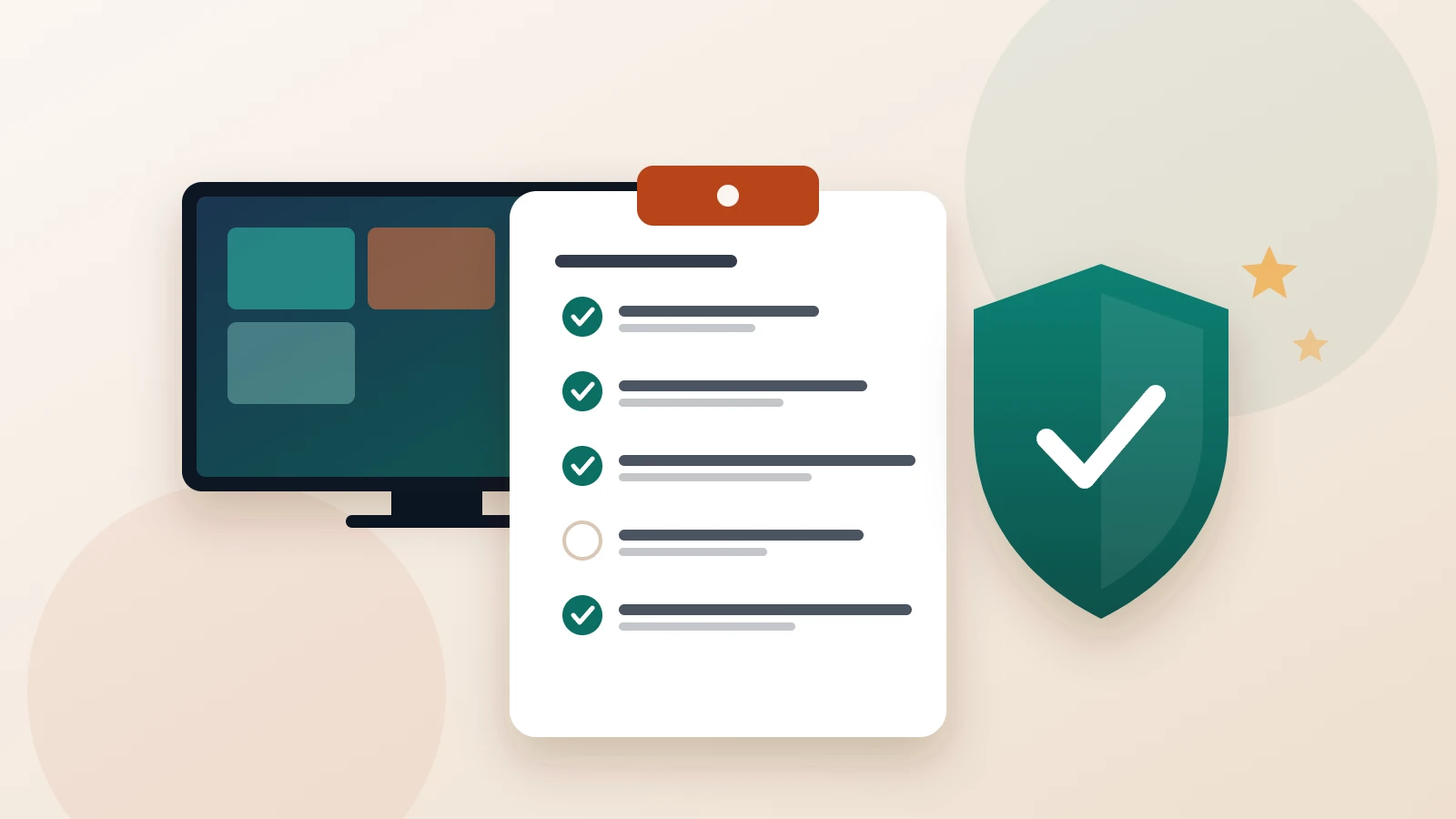
The nine checks
1. Licensing and business identity
Look for a named company, a registration number where relevant and a way to contact a real person. Check that the channels on offer make sense for that business — a small unnamed site offering every premium sports channel in the world is a warning sign, not a bargain.
2. A genuine trial or refund policy
A short free trial or a clear refund window lets you test on your own devices and connection. Read the conditions: some trials require a card and convert automatically into a paid plan, and some refund policies exclude anything after the first day.
3. Device and app support
Confirm that the service works on the devices you actually use — Smart TV brand and model, Fire TV Stick generation, Android TV box or phone — and whether it needs its own app or a third-party player. If a separate player licence is needed, add that cost to the price.
4. Stream stability at busy times
Stability matters more than resolution. Test during the hours you normally watch and during at least one popular live event within the trial period if possible. Our buffering guide helps you tell a provider problem from a home-network problem.
5. Programme guide and catch-up
A complete, accurate EPG makes a service usable day to day. Check that the guide covers the channels you watch, that it lines up with what is actually on, and whether catch-up or recording features are included and for how long.
6. Connection limits
Most plans limit how many devices can stream at the same time. Make sure the limit matches your household, and check whether extra connections cost more.
7. Payment methods and billing
Prefer payment methods that give you buyer protection, such as major cards or established payment services. Be cautious if the only options are irreversible transfers. Check whether the plan renews automatically and how to cancel.
8. Support you can actually reach
Send a question to support during the trial and time the reply. Useful support answers the question you asked, explains setup in plain language and does not disappear once you have paid.
9. Privacy and account security
Read how the provider handles your data, whether accounts are protected by a password you control, and whether login details can be changed if they leak. A service that asks you to share credentials in an unencrypted message is not taking security seriously.
Red flags that should end your search
- No company name, address or terms of service.
- Prices far below what licensed services charge for the same channels.
- Payment only through irreversible methods.
- Pressure tactics such as countdown timers on a “lifetime” plan.
- Instructions to install apps from unknown sources with no explanation.
- Support that only exists in a messaging app with no business identity.
How these checks compare
| Check | What good looks like | What should worry you |
|---|---|---|
| Identity | Named company, terms, privacy policy | Anonymous site, no legal pages |
| Trial / refund | Clear written terms | Vague or missing conditions |
| Devices | Your exact devices listed | “Works on everything” with no detail |
| Stability | Smooth at peak times in your trial | Frequent stalls on many channels |
| Billing | Protected payment, easy cancellation | Irreversible payment only |
How we apply these checks
Every provider we cover is assessed against these points, on real devices, with the dates and conditions recorded. We separate what we observed from what the provider claims, and we update or remove recommendations when things change. You can read the details in how we test and our editorial policy.
The bottom line
The right provider is the one that is legal to use where you live, works on your devices, stays stable when you actually watch, and lets you leave on fair terms. Use the trial period to check all four before you commit, and once you have chosen, our guide to setting up an IPTV player will get you watching.